
The journey of casinos Exploring their historical evolution
The Ancient Roots of Gambling
The history of casinos can be traced back to ancient civilizations where gambling was a form of entertainment and social bonding. Archaeological evidence suggests that as early as 3000 BC, the Chinese engaged in games of chance using rudimentary dice. Similarly, in ancient Rome, gambling was a popular pastime, with citizens betting on everything from chariot races to gladiator battles. These early games laid the groundwork for the evolution of gambling practices, influencing modern casino cultures. Today, many people enjoy the thrill of wagering, whether at traditional venues or online, such as at sites like odin fortune.
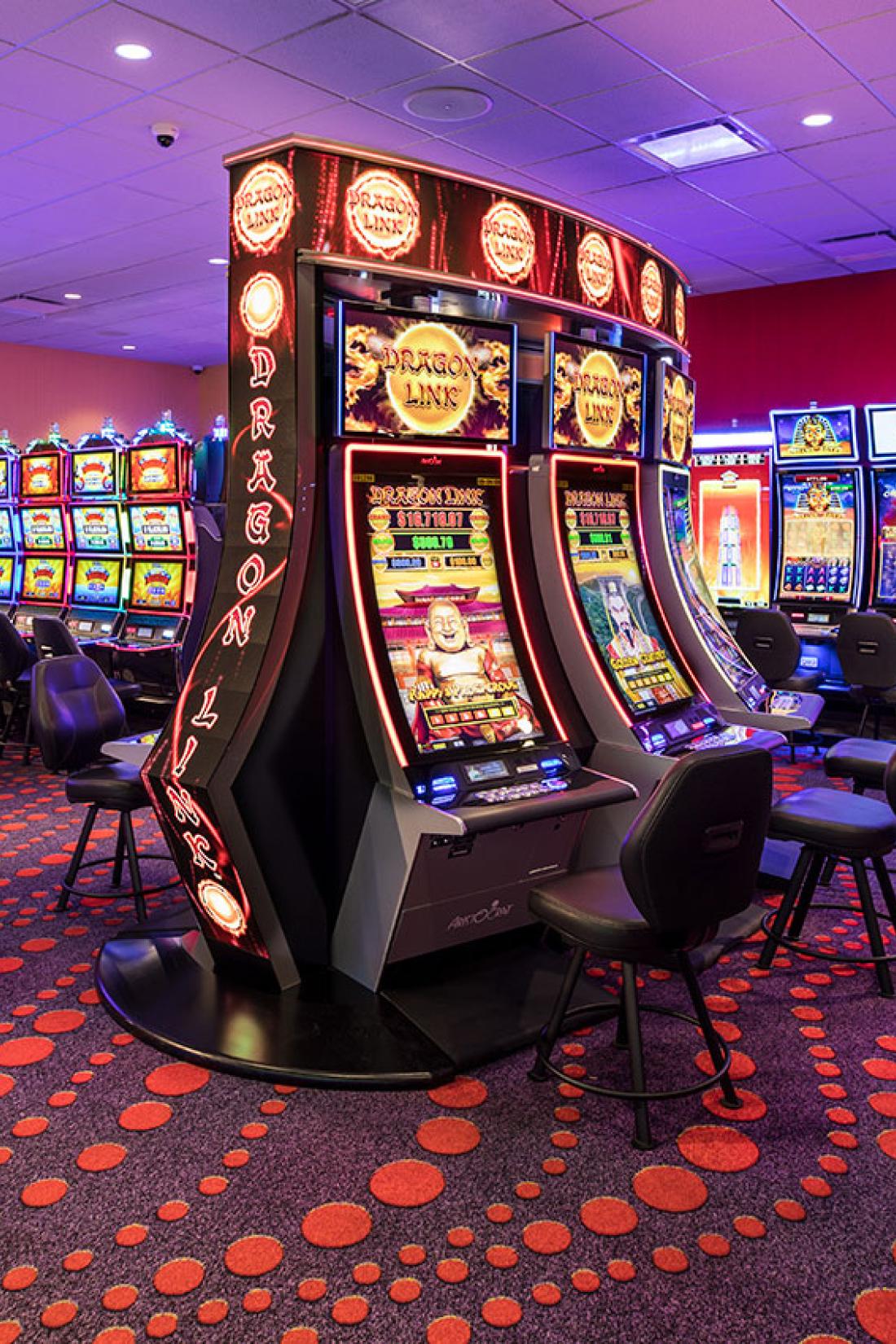
The significance of these ancient games extended beyond mere entertainment. In many societies, gambling was intertwined with religious rituals and festivities, often viewed as a way to gain favor from deities. The rituals surrounding these games cultivated a sense of community and tradition, emphasizing the social aspect of gambling that persists in today’s casinos. This historical context reveals how gambling has always been more than just a game of chance; it has been a vital part of human culture.
As civilizations advanced, so did the complexity of gambling activities. The introduction of playing cards in the 9th century in China marked a significant turning point, leading to the development of various card games that spread across Europe. The appeal of these games led to the establishment of gambling houses, which are the precursors to modern casinos. Understanding this historical evolution highlights how gambling has adapted to societal changes while retaining its core essence of risk and reward.
The Birth of Modern Casinos
The 17th century saw the emergence of the first modern casinos in Europe, with the Casino di Venezia in Italy being one of the earliest examples. Established in 1638, it offered a range of games, including card games and roulette, attracting the elite of society. This marked a shift from informal gambling settings to organized establishments that catered to a burgeoning interest in gaming as a social activity. The notion of casinos as luxurious venues began to take shape during this period.
As the concept of the casino gained popularity, various European countries began to establish their own gaming houses, each with unique offerings and rules. The Monte Carlo Casino in Monaco, opened in 1863, became an iconic symbol of opulence and sophistication. Its glamorous setting and high-stakes gaming attracted wealthy patrons from all over the world, reinforcing the casino’s image as a destination for the elite. This era highlighted the blend of entertainment, luxury, and risk that characterizes modern gambling.
The growth of casinos in Europe set the stage for their expansion to other parts of the world, particularly the United States. The establishment of gaming laws in various states, particularly Nevada in 1931, facilitated the proliferation of casinos across the country. Las Vegas emerged as the epicenter of casino culture, offering extravagant resorts and entertainment options that revolutionized the gambling experience. This evolution showcases how casinos have transformed into multifaceted entertainment hubs, incorporating dining, shows, and nightlife alongside traditional gaming.
The Digital Transformation of Gambling
The advent of the internet in the late 20th century marked a watershed moment for the casino industry, ushering in the era of online gambling. The first online casinos launched in the mid-1990s, allowing players to engage in their favorite games from the comfort of their homes. This shift not only democratized access to gambling but also introduced a new level of convenience that traditional casinos could not match. Players could now explore a wide variety of games with just a few clicks.
Online casinos have continued to evolve, incorporating advanced technologies such as live dealer games and mobile gaming platforms. Live dealer games simulate the experience of playing in a physical casino by allowing players to interact with real dealers via video streaming. This innovation retains the social aspect of gambling while providing the convenience of online access. The popularity of mobile gaming has further propelled the growth of online casinos, making it possible for users to gamble on the go.
As the online gambling market expands, regulatory challenges and concerns regarding responsible gaming have become paramount. Many online casinos now implement measures to promote safe gaming practices, including self-exclusion tools and resources for addiction support. This evolution highlights the industry’s ongoing commitment to player welfare while adapting to technological advancements and consumer preferences. The digital transformation of casinos represents a significant chapter in their historical journey, blending traditional gaming elements with modern convenience.
The Ongoing Evolution of Gambling Culture
The cultural perception of casinos has undergone significant changes over the years. Once viewed predominantly as establishments for the elite, casinos have become more accessible to the general public, transcending socioeconomic boundaries. This shift has contributed to a broader acceptance of gambling as a form of entertainment, with many individuals viewing it as a leisure activity rather than a vice. This evolution reflects changing societal attitudes toward risk and reward.
Moreover, the incorporation of technology in casinos has led to new forms of engagement and entertainment. Gamification, interactive gaming experiences, and loyalty programs have transformed the way players interact with games and casinos. These innovations foster a more immersive experience, encouraging players to return and explore new offerings. The cultural landscape of gambling is now characterized by a blend of traditional gaming and cutting-edge technology, appealing to a diverse audience.
As casinos continue to evolve, the importance of social responsibility remains a focal point. Many establishments are prioritizing responsible gambling initiatives to ensure a safe and enjoyable experience for all patrons. This commitment to social responsibility is becoming a defining characteristic of modern casinos, reflecting a growing awareness of the potential risks associated with gambling. Understanding this ongoing evolution highlights the dynamic nature of the casino industry and its ability to adapt to societal changes.

Odin Fortune Casino: A Modern Gaming Experience
Odin Fortune Casino exemplifies the contemporary evolution of online gaming, offering a unique experience that combines traditional casino elements with modern technology. With a Scandinavian theme, the platform features a diverse selection of over 4,000 games, appealing to both casual and serious players. This wide variety ensures that users can find something that fits their preferences, whether they enjoy slots, table games, or the thrill of a live casino.
Moreover, Odin Fortune Casino prioritizes user experience with fast withdrawals, including options for cryptocurrency, and 24/7 customer support. This focus on efficiency and accessibility reflects a growing trend in the online gambling industry, where players demand swift service and transparency. The generous welcome package and ongoing promotions further enhance the appeal, attracting a broad audience eager to explore the gaming offerings.
Ultimately, Odin Fortune Casino represents the future of gambling, blending the rich history of casinos with the conveniences of modern technology. The platform’s commitment to responsible gaming practices and transparency creates a safe and enjoyable environment for players. As the journey of casinos continues, establishments like Odin Fortune Casino will play a significant role in shaping the future of the gaming industry, ensuring that it remains an integral part of global entertainment culture.